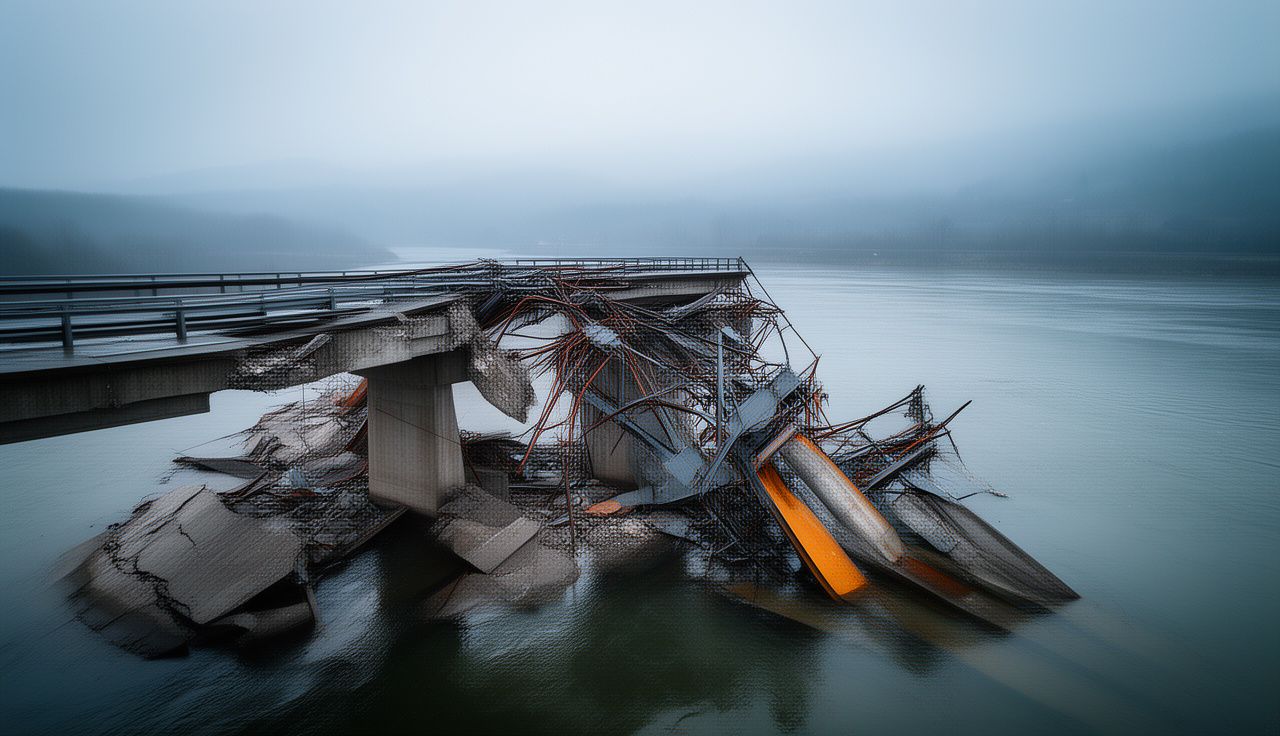
Russian strikes on major Kyiv bridges disrupt travel and risk splitting Ukraine's capital, escalating pressure on infrastructure and civilians.
Russian strikes hit Kyiv bridges
Russian forces launched air and drone strikes on two of Kyiv’s main bridges over the Dnipro River, damaging critical transport links that connect the eastern and western parts of Ukraine’s capital.
On Saturday, the Northern (Pivnichnyi) Bridge was hit, injuring two people and damaging the road and trolleybus power lines. The attack followed multiple strikes on the Southern (Pivdennyi) Bridge earlier in the week.
Kyiv Mayor Vitali Klitschko said traffic on the Northern Bridge was suspended, worsening travel disruptions for city residents. Social media videos appeared to show the impact as vehicles crossed.
Escalating impact on daily life
The Russian strikes forced the full or partial closure of three of Kyiv’s six road bridges, causing heavy traffic jams and cutting road, rail, and trolleybus links across the river for consecutive days.
BBC News noted that many of Kyiv’s approximately three million residents rely on metro trains, as surface travel became severely limited. Officials warned the attacks were fragmenting the city and battering infrastructure, logistics, and housing.
There are contingency plans to use ferries or temporary pontoon bridges, as some bridges are reportedly in poor condition and at risk of becoming unusable if attacks continue.
Russia and Ukraine escalate targeting
Russia’s Ministry of Defence claimed the strikes targeted bridges used for Ukrainian troop and military logistics movements, and said such attacks would intensify. Moscow again advised foreign nationals and diplomats to leave Kyiv.
Al Jazeera reported that Kyiv’s Mayor said hot water supply in the area was affected, and that Russia’s warning to foreigners came ahead of German officials’ visit to the capital.
Both sides have increased attacks on infrastructure, with Ukraine stepping up strikes against Russian facilities. Russia cited Ukrainian attacks on its oil refineries as justification for recent retaliation.
International response and context
The latest strikes coincided with an unannounced visit by German Chancellor Friedrich Merz and officials to Kyiv, with German leaders expressing continued support and announcing new aid for Ukraine.
The war, now in its fifth year, remains stalled along much of the front line, while assaults on infrastructure continue to disrupt civilian life and pose risks to the region.
Coverage
3 independent outlets filed 8 reports over 16 hours. Coverage has been thinning.
3outlets
8filings
16hspan
fadingtrend
What could happen next
No outcome sealed yet.the engine has not sealed a forecast on this story yet. The forecast is always written to the ledger before any article about it, never the other way round.